

AT A GLANCE
-
WHAT IT IS
A beginner-friendly guide that breaks down what pores really are, why they look larger, and how to visibly refine them with simple, realistic skincare habits. -
WHAT IT DOES
Debunks common pore myths, explains the real causes behind enlarged-looking pores, and provides an easy, effective routine using ingredients like glycolic acid, niacinamide, and salicylic acid to improve skin texture and clarity. -
HERO PRODUCTS
Glow to Go Glycolic Acid Peel Pads Zitlox Salicylic Acid Acne Gel Protec Plus Mineral Sunscreen SPr 30
Can You Really Shrink Your Pores?
Hey there! Picture this: You're getting ready for the day, lean in close to the bathroom mirror under that unforgiving fluorescent light, and bam—your pores look like they've thrown a party overnight. "Ugh, why me?" you think. Sound familiar? If you've ever squinted at your reflection wondering if those little skin openings are plotting against you, pull up a chair. You're in good company. Pore size is the skincare gripe I hear from friends, family, and pretty much everyone scrolling TikTok late at night. But here's the good news: I'm spilling all the real tea today in a way that's super straightforward, no fancy terms or salesy hype. We'll unpack what pores actually are, why they seem to steal the spotlight, and—most importantly—what really works to make them play nice. No miracles, just honest wins that leave you feeling empowered about your skin.
I remember my first pore panic. It was during college, right before a big presentation. I slathered on some "pore-minimizing" cream from a trendy ad, waited for the magic... and nothing. Zilch. Turns out, the skincare world loves to promise the moon, but the truth is way more chill (and way more doable). Stick with me, and by the end, you'll have a game plan that fits your life—no overwhelm required.
Why Do Your Pores Suddenly Look Huge? The Usual Suspects
The Real Reason Pores Look Large
Pores don’t suddenly “grow” overnight—but certain everyday skin changes can make them look bigger, darker, and more noticeable. Let’s break down each cause in a clear, beginner-friendly way so you can understand what’s really happening on your skin.
1. Dead Skin Buildup
Your skin is constantly renewing itself. Old (dead) skin cells naturally rise to the surface and shed off. But sometimes, this shedding process isn’t perfectly even.
When dead skin cells build up:
- They sit on top of your skin
- They can fall into pores and mix with oil
- They create a rough, uneven surface
Why this makes pores look bigger:
The buildup stretches the opening of the pore and makes it look more visible. It can also make pores appear darker because the trapped debris casts a shadow.
2. Excess Oil and Congestion
Your skin produces oil (sebum) to keep itself comfortable and balanced. But when there’s too much oil:
- It mixes with dead skin cells
- It settles inside pores
- It creates congestion (clogged pores)
Over time, this can cause pores to look more prominent.
Why this makes pores look bigger:
When pores are filled with oil and debris, they expand slightly. The more they stay clogged, the more noticeable they become.
3. Loss of Collagen with Age
Collagen is a natural protein in your skin that helps it feel firm and structured.
As your skin changes over time:
- It may feel less firm
- The area around pores may not stay as tight
- Skin may not “bounce back” the same way
Why this makes pores look bigger:
When the skin around a pore isn’t as firm, the pore opening can appear looser or more open—making it easier to see.
4. Uneven Skin Texture
Smooth skin reflects light evenly. But when your skin texture is uneven:
- Light hits the surface irregularly
- Small dips (like pores) become more visible
- Shadows form around those areas
Why this makes pores look bigger:
Even if your pores haven’t changed in size, uneven texture makes them stand out more visually.
The Big Question: Can You Actually Shrink Pores?
Deep breath—here's the straight talk you've been waiting for: No, you can't permanently shrink your pores. They're like your eye color or height—structurally set by genetics and not budging with any topical magic. Dermatologists worldwide agree: Pores don't have muscles to contract forever or lasers to zap smaller (short of serious medical stuff, which we'll touch on later).
But wait—don't toss your skincare! You can make them look smaller, smoother, and way less "in your face." It's like decluttering your room: The furniture (pore size) stays, but everything looks tidier. Products and habits refine the appearance, not rewrite your DNA. This shift? Total mindset upgrade. I used to chase "shrink" claims and end up frustrated; now, I aim for "refined," and my skin thanks me.
The Ingredient Often Recommended for Smoother-Looking Pores
When it comes to improving how pores appear, one ingredient that’s widely used in skincare is glycolic acid—a type of alpha hydroxy acid (AHA) known for its surface-exfoliating properties.
Let’s break down why it’s commonly included in routines focused on refining skin texture.

What Makes Glycolic Acid Different?
Glycolic acid is known for having a very small molecular size compared to other AHAs.
What this means in simple terms:
- It spreads easily across the skin
- It works on the outermost layer
- It helps loosen the bonds between dead skin cells
This allows it to gently lift away buildup that can sit on the surface and inside pores.
How Glycolic Acid Helps Improve the Look of Pores
Instead of changing pore size, glycolic acid works by improving what’s happening around and inside them.
1. Helps Keep Pores Clear
Over time, pores can collect:
- Dead skin cells
- Oil
- Everyday debris
Glycolic acid helps loosen and remove this buildup from the skin’s surface.
Result:
Pores look cleaner and less congested, which makes them appear smaller.
2. Smooths Skin Texture
When dead skin builds up unevenly, it creates a rough surface.
Glycolic acid helps:
- Gently exfoliate that uneven layer
- Reveal smoother-feeling skin
- Improve overall texture
Result:
A smoother surface reflects light better, so pores don’t stand out as much.
3. Supports Skin’s Natural Structure Over Time
Consistent exfoliation helps maintain a more even-looking surface, which can support the appearance of firmer, more balanced skin over time.
Result:
The area around pores may look more refined and less emphasized.
4. Enhances Overall Radiance
When dull, dead skin cells are removed:
- Skin can appear brighter
- one may look more even
- The surface looks fresher
Result:
With improved clarity, pores become less noticeable in the overall look of the skin.
Why This Matters for Pores
It’s important to remember:
By keeping pores clear and smoothing the surrounding skin, it creates the appearance of:
- Cleaner-looking pores
- More even texture
- A refined, balanced look
The Final Result
With consistent, gentle use, skin may appear:
- Smoother
- Brighter
- More even
- Visibly refined
The Easy Way to Do It at Home
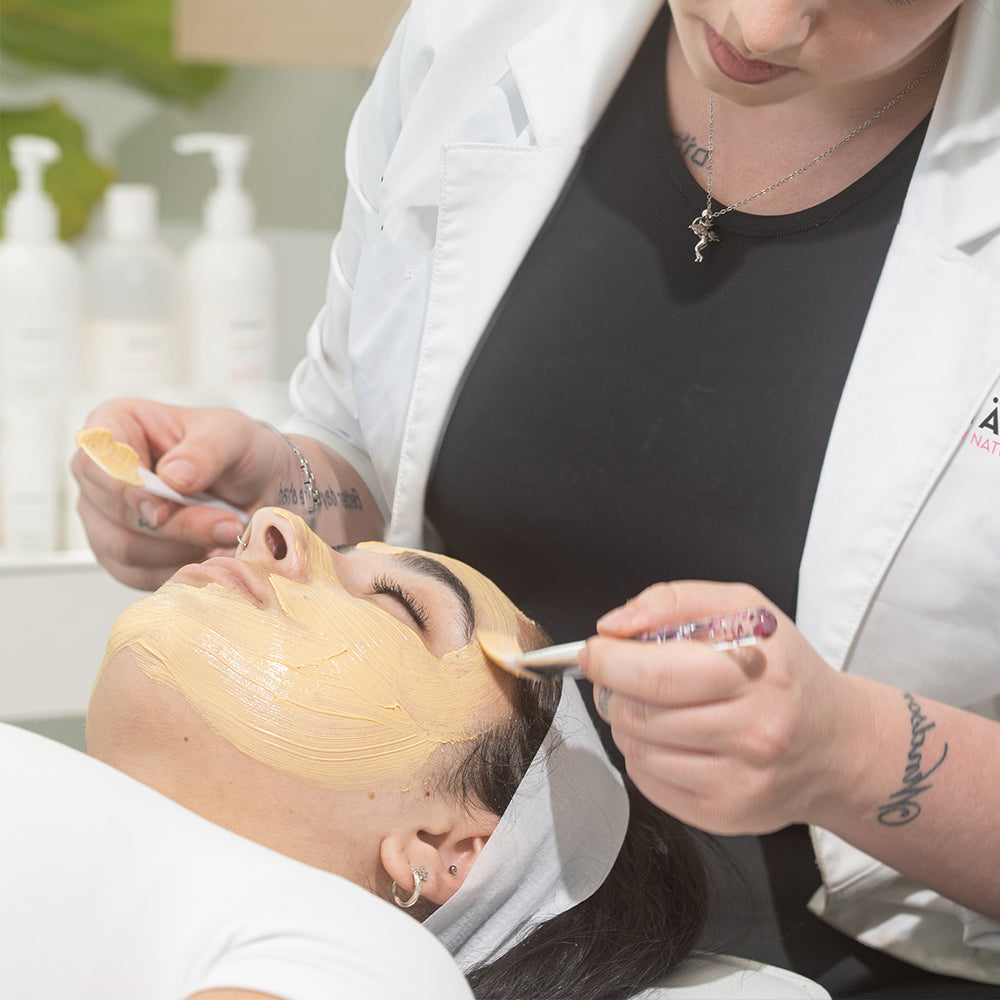
Professional chemical peels are often associated with smoother-looking, more refined skin. But not everyone wants the time, cost, or intensity that can come with in-clinic treatments.
The good news?
You can support similar surface-level results at home by focusing on controlled, gentle exfoliation.
What Does “Controlled Exfoliation” Mean?
Instead of harsh scrubbing or overusing multiple products, controlled exfoliation is about:
- Using a measured amount of an exfoliating ingredient
- Applying it evenly across the skin
- Sticking to a consistent, balanced routine
This approach helps remove buildup gradually—without overwhelming your skin.
Why Peel Pads Are a Beginner-Friendly Option
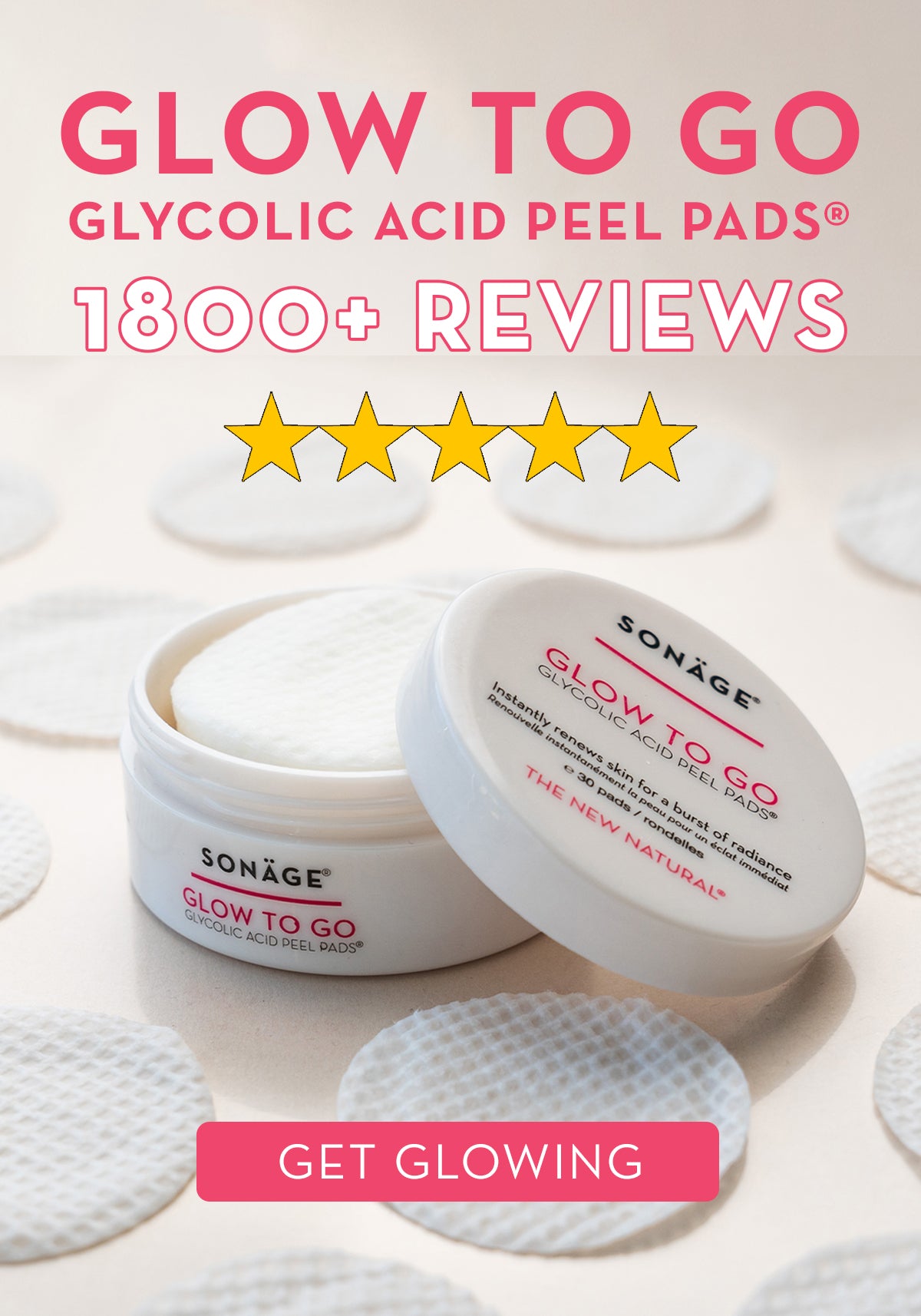
One of the simplest ways to exfoliate at home is by using pre-soaked peel pads, such as Glow To Go Glycolic Acid Peel Pads.
They’re designed to make the process easy and approachable, especially if you’re new to exfoliation.

What Makes Them Convenient?
- Pre-measured formula → You don’t have to guess how much to use
- Quick application → Just swipe and go
- Even distribution → Helps cover the skin consistently
- No complicated steps → Fits easily into a simple routine
How They Work on the Skin
These peel pads use glycolic acid to gently lift away:
- Dead skin buildup
- Excess oil on the surface
- Everyday impurities that can settle into pores
By clearing this layer, the skin’s surface starts to feel and look more even over time.
What You May Notice with Consistent Use
As you continue using a gentle exfoliating routine, your skin may begin to appear:
Smoother
The surface feels softer as rough, uneven buildup is gradually removed.
Brighter
With fewer dull cells sitting on top, your skin can look fresher and more radiant.
More Even
Texture looks more uniform, which helps reduce the contrast that makes pores stand out.
Visibly Refined
Pores may appear cleaner and less noticeable because there’s less congestion around them.
Why Consistency Matters More Than Intensity
It’s tempting to expect instant results—but with skincare, especially exfoliation, slow and steady works best.
Using a product like this regularly (instead of aggressively):
- Helps maintain a clear surface
- Prevents buildup from returning quickly
- Supports a more balanced, comfortable routine
How to Use for Pore-Refining Results
Using glycolic acid peel pads doesn’t have to be complicated. A simple, consistent routine can help you get the most out of them—especially if you’re just starting your skincare journey.
Here’s a step-by-step guide to keep things easy and effective:
1. Start with Clean, Dry Skin
Begin by washing your face with a gentle cleanser to remove dirt, oil, and daily buildup.
- Pat your skin dry with a soft towel
- Make sure your skin isn’t damp, as applying exfoliating products on wet skin can sometimes feel stronger than intended
2. Swipe One Pad Across Face and Neck
Take a single peel pad and gently swipe it across your skin.
- Focus on areas where pores are more noticeable (like the nose, forehead, and chin)
- Avoid the delicate eye area
- No need to scrub—let the product do the work
3. Allow the Product to Absorb
After applying, let the formula sit on your skin.
- There’s no need to rinse (unless the product instructions say otherwise)
- Give it a minute or two to fully absorb before moving to the next step
4. Follow with Moisturizer
After exfoliation, your skin benefits from hydration.
- Apply a simple moisturizer to help keep your skin feeling comfortable
- This step supports a balanced, smooth-looking surface
5. Use SPF During the Day
Exfoliation can make your skin more sensitive to sunlight.
- If you use peel pads in the evening, apply sunscreen the next morning
- If used during the day, always follow with SPF
This helps maintain your results and protect your skin.
How Often Should You Use It?
For most beginners: Start with 2–3 times per week
This frequency helps:
- Avoid over-exfoliation
- Give your skin time to adjust
-
Maintain consistent results over time
Decoding Those "Pore-Shrinking" Product Claims
Scroll Instagram, and you'll see serums screaming "Shrink pores in 7 days!" Cute, but let's peek under the hood. These aren't lying—they're just clever with words. Most work temporarily by:
Tightening the Surface: Ingredients like silica or polymers create a soft-focus film, blurring pores instantly (think primer magic).
Smoothing Texture: Exfoliants buff away dead skin, so pores don't gape.
Oil Control: Mattifying agents soak up shine.
Clearing Gunk: Acids dissolve clogs inside.
My go-to? A niacinamide serum that doesn't "shrink" but evens everything out after a week. Results fade without consistency, but they're real. Pro tip: Read labels for "refines appearance" over "shrinks"—that's your honest signal.
Shrink vs. Refine: Your New Skin Mantra
Let's reframe: "Shrinking" sounds like a sci-fi fix (not happening). "Refining" means polished, blended-in pores that look less obvious, smoother, and even-toned. Refined pores? They chill in the background, not stealing the show. Achievable? Heck yes—with patience.
Imagine your skin as a canvas. Shrinking pokes holes smaller (impossible). Refining smooths the paint so imperfections fade. Readers tell me this swap alone cuts their mirror stress by half.
Real Ways to Make Pores Play Hide-and-Seek
Enough theory—let's get practical. These aren't quick fixes; they're daily habits that add up. I've tested them through humid summers and dry winters, and they deliver.
Keep 'Em Clean and Clear
Clogged pores = stretched look. Twice-daily gentle cleansing removes the day's grime without stripping. My routine: Micellar water for mornings, a foaming cleanser at night. Weekly clay mask? Chef's kiss for oil-absorbing freshness. Result: Pores snap back tighter overnight.
Balance That Oil, Don't Battle It
Mattifying everything dries you out, worsening shine later. Opt for lightweight, non-comedogenic (won't clog) gels or lotions. In the Los Angeles heat, I layer a balancing toner post-cleanse—pores stay matte without rebellion.
Smooth the Surface
Gentle exfoliation (chemical over physical) renews texture. AHAs/BHAs slough dead skin weekly. Feels like pores "shrink" because they're not edged by flakes.
Hydrate Like It's Your Job
Counterintuitive, but dry skin puckers, spotlighting pores. Hyaluronic acid pulls in moisture for plumpness. My dehydrated phase? Pores screamed; now, they're hushed.
SPF: Your Pore's BFF
Sun degrades firmness—daily broad-spectrum SPF 30+ preserves it. Reapply if outdoors; your future self (and pores) will hug you.
Bonus: Retinoids (nighttime, build slow) boost collagen for long-term refinement. Start low to dodge irritation.
Busting Pore Myths: What Not to Waste Time On
Skincare lore is full of whoppers. Let's laugh them off:
Myth 1: Ice or Cold Water "Closes" Pores
Feels nice post-gym, but pores don't have doors. No open/close action—it's a feel-good placebo.
Myth 2: Permanent Shrinkage Is Real
Nope. Even fancy treatments offer temporary tweaks.
Myth 3: Scrub Harder for Smaller Pores
Harsh scrubbing inflames skin, making pores bigger-looking. Gentle is queen.
Myth 4: Only Oily Skin Suffers
Dry, combo, sensitive—everyone gets pore peeks somewhere.
Myth 5: Steam "Opens" Pores
Steam softens gunk for extraction, but doesn't dilate like a muscle.
One more: "Pores only show on dirty skin." Ha! Clean skin still has texture—it's human.
Your No-Fuss Routine: Start Here, Stay Sane
Overcomplicating kills consistency. Here's my pared-down plan for pore refinement—tweak for your skin type.
Morning: Fresh and Protected (5 Minutes)
Gentle Cleanser: Splash with a mild cleanser like Soothing Cleansing Créme.
Lightweight Serum/Toner: Opt for a serum with Niacinamide, like Sonage Opaleze Brightening Serum, for oil balance.
Moisturizer: Use a non-greasy moisturizer like Botanica Souffle Créme
Sunscreen: Mineral or chemical, SPF is necessary. Reapply! We recommend our Protec Plus Mineral Sunscreen SPF 30 or Roux Tinted Day Créme with SPF30
Evening: Reset and Repair (7 Minutes)
Oil Cleanser (Optional): For makeup/SPF.
Water-Based Cleanser: For a deep but kind clean.
Treatment (2-3x/Week): BHA like salicylic for clogs. Zitlox Salicylic Acid Acne Gel works great as a spot treatment and an exfoliant for problem areas.
Moisturizer: Richer for overnight repair. High Endurance Créme and Lumenez Vitamin Rich Créme are both great options for a heavier moisturizer.
Eye Cream (Bonus): A-Eye Peptide Serum for a boost of peptides, caffeine, and niacinamide.
Hero Ingredients:
No need for a full arsenal. These shine for refinement:
- Niacinamide (5-10%): Oil regulator, texture smoother. My holy grail—calms redness too.
- Salicylic Acid (BHA, 1-2%): Dives into pores, clears gunk. Oily skin's dream; patch-test.
- Clay (Kaolin/Bentonite): Masks absorb oil. Weekly treat.
- Hyaluronic Acid: Plumps for evenness.
- Niacinamide + Zinc: Duo for shine control.
- Peptides/retinol: Collagen boosters for firmness (slow intro).
Layer thin: Cleanse > Treat > Moisturize > Protect.
When Pores Stage a Comeback: Totally Normal
Pores flare in:
- End-of-Day Glow: Wipe with mist.
- Harsh Lights: Filter selfies; real life forgives.
- Humidity: Blot papers FTW.
- Dehydrated Feels: Drink up, hyaluronic layer.
Fluctuations? Your skin's talking—listen, adjust.
Tools, Treatments, and Makeup: Nice-to-Haves
Tools: Frioz Icy Globes chill puffiness temporarily; LED masks refine mildly. Fun, not essential.
Pro Treatments: Chemical peels/microneedling smooth texture. Consult derm.
Makeup: Blurring primers (e.g., with silica) + pore-blurring powders. Instant confidence.
Start with the basics; upgrade if budget allows.
Loving Your Skin, Pores and All