
Article: Lightweight Hydration: Transitioning Routines for Spring
AT A GLANCE
-
WHAT IT IS
A seasonal skincare guide focused on transitioning from heavy winter products to lightweight, hydration-first routines for spring. -
WHAT IT DOES
Explains how changing weather impacts your skin and shows you how to adjust your routine—using lighter textures and water-binding ingredients—to maintain hydration, prevent breakouts, and support a healthy skin barrier. -
HERO PRODUCTS
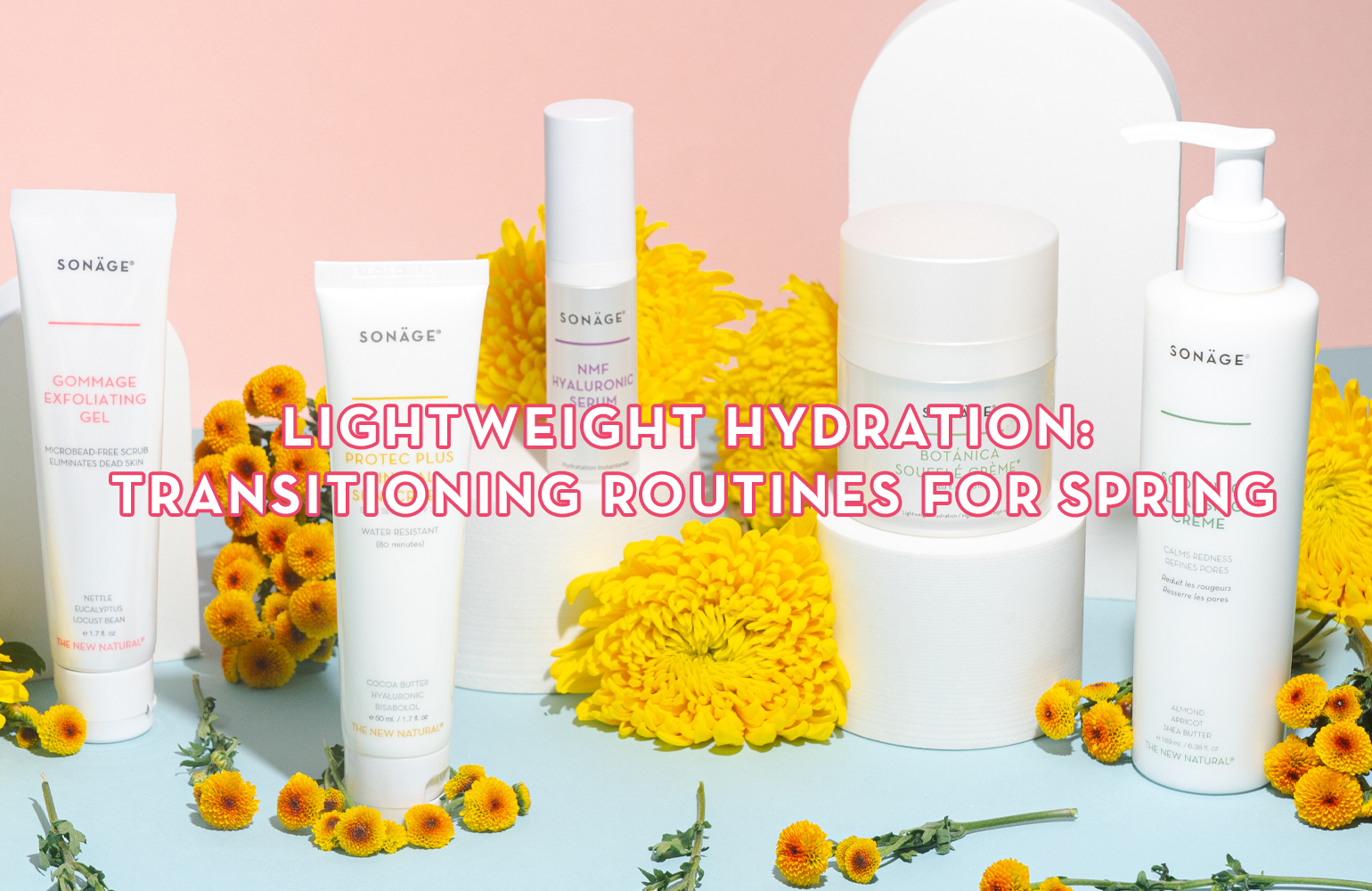
NMF Hyaluronic Acid Serum Botanica Soufflé Créme Protec Plus Mineral Sunscreen With SPF 30 Roux Tinted Day Créme With SPF 30
Lightweight Hydration: Transitioning Routines for Spring
Lightweight hydration and transitioning routines for spring are all about swapping your heavy winter armor for breezy, smart care that keeps skin plump without the grease—as temperatures climb and humidity sneaks in. Think of it like updating your closet: you still need coverage, but cotton over wool feels right. Your skin craves water (hydration) year-round, but spring's warmer air, rising moisture levels, extra sweat, pollen, and sun shift how it behaves—heavy creams that battled winter dryness now clog pores, spark shine, or trigger breakouts. Transitioning means lightening textures gradually, focusing on quick-absorbing humectants over thick occlusives, so your barrier stays strong and glow feels fresh, not fried.
Why Spring Demands a Lighter Touch
Winter's cold snaps, wind, and indoor heaters strip skin's natural oils, ramping up transepidermal water loss (TEWL) by 20-30%—hence those rich balms and multi-oil layers. Spring flips the script: humidity pulls moisture from the air into your skin naturally, but your glands overproduce sebum (up to 2x more) to cool you down, mixing with sunscreen, pollution, and dead cells for congestion. Without tweaks, dehydration hides under oiliness (tight cheeks, shiny T-zone), irritation flares from pollen, and cell turnover speeds up, demanding gentle support. Lightweight routines prioritize hydration (water-binding ingredients like Hyaluronic Acid) sealed lightly, preventing that "pore traffic jam" while prepping for summer scorchers. Dermatologists agree: seasonal shifts cut breakouts by 40% and boost barrier resilience—it's not fussy, just responsive self-care.
Hydration vs. Moisture: The Quick Lowdown
Picture this: Hydration is like giving your skin a tall glass of water—it pulls moisture in. Moisture is the oil lock that seals it there. Winter? We slather on thick balms for that seal. Spring? Shift to water-loving heroes like serums and gel creams that hydrate deep without the weight. Trust me, once you get this, your routine clicks.

The Big Spring Swap: Ditch the Heavy Hitters
No need to toss your winter stash—just use it smarter. Cut back on super-rich shea butter bombs, double-duty thick creams, and daytime oil layers. Swap in gel moisturizers, watery lotions, or quick-absorbing emulsions. I did this last spring, and my combo skin stopped looking like an oil slick by noon.
Weightless moisturizers are the MVPs here—they sink in fast, play nice under sunscreen or makeup, cut shine, and feel comfy in muggy weather. Perfect for oily skin that dehydrates anyway, combo types that tip greasy, or even dry skin shaking off winter.

Why Hydrating Serums Are Your Spring Superpower
Lighter creams mean serums step up, pumping water-attracting goodness straight into your skin. Layer one under a gel moisturizer, and boom—hydration without bulk. They repair your skin barrier during wonky weather shifts and flex with daily changes. One good serum often replaces three heavy winter steps. Game-changer.
Ingredients That Hydrate Without the Clog
You asked (we all do): What won't turn my pores into a traffic jam? Stick to lightweight water-magnets:
Hyaluronic acid: Sucks water in like a sponge—no grease, humidity-proof.
Glycerin: Deep hydration for any skin type, simple and effective.
Panthenol:Calms, hydrates, and patches your barrier gently.
Aloe vera: Soothing lightness for prickly spring skin.
Niacinamide: Balances oil, boosts hydration, barrier boss.
Ease up on daytime heavy oils, thick waxes like petrolatum in humid spots, or scent-heavy stuff that irritates. It's about feeding your skin, not overwhelming it.
Cleansers: Do They Need a Seasonal Glow-Up?
Yep, tweak 'em. Winter loves creamy, non-drying balms. Spring? Go for gentle gels or low-foam ones that whisk away sweat, sunscreen, and light oil without leaving you tight or stripped. If cleansing leaves your skin squeaky or slick, adjust—balance is key.
How to Tweak Hydration as Weather Flips
Changing weather? Here's my no-stress plan:
- Swap daytime moisturizer first—keep nights richer if needed.
- Add a hydrating serum, dial back heavy sealants.
- Check your skin daily: humid? Less product. Chilly eve? A touch more.
- Layer light in AM; add subtle moisture PM.
- Never skip sunscreen—spring sun sneaks up.
This keeps you comfy through April showers and May warmth.
Why This Routine Works in Spring
As weather warms, sweat and oil pick up, so the focus shifts to lightweight, quick-absorbing steps that deliver water-based hydration (not thick oils). Morning preps for the day with sun protection; evening repairs gently. It's beginner-friendly, takes under 10 minutes twice daily, and scales—if your skin feels drier some days, add a touch more product.

Morning Breakdown
Start clean and protected for outdoor exposure:
Gentle cleanser: Removes overnight buildup without stripping—gels rinse easily, avoiding winter-style creamy ones that feel slick in humidity. Soothing Cleansing Créme cleanses dirt and oils without stripping moisture.
Hydrating serum: Pulls water deep into skin layers; hyaluronic acid loves humid air, glycerin boosts it for all types. NMF Hyaluronic Acid Serum delivers and seals in hydration.
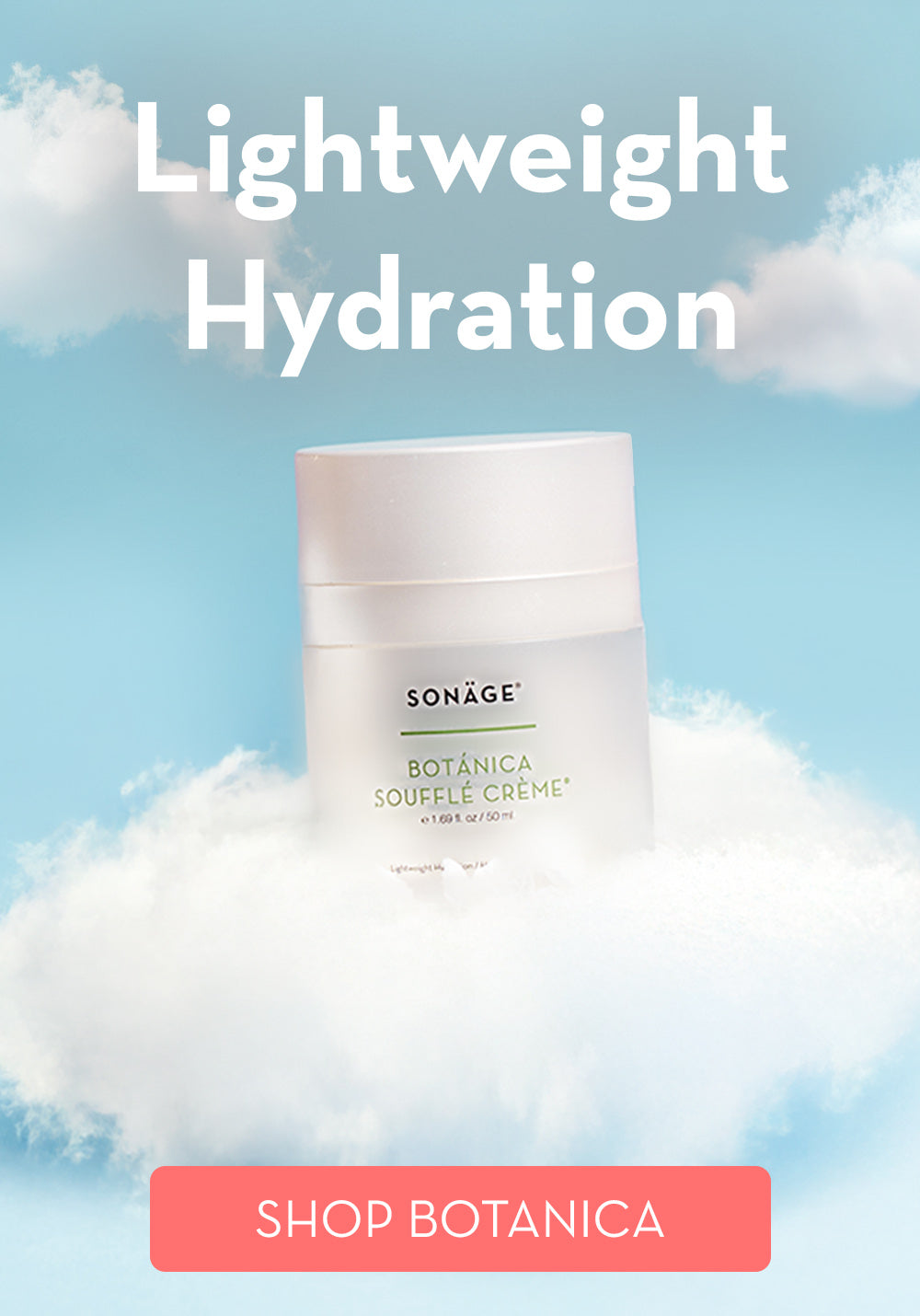
Weightless moisturizer: Gel or lotion seals serum without grease—sits perfectly under makeup or SPF. Botanica Soufflé Créme provides lightweight hydration and glow.
Broad-spectrum sunscreen: Non-negotiable as spring sun ramps up; pick a light, matte one to dodge shine. Opt for a mineral formula like Protec Plus Mineral Sunscreen SPF 30 or Roux Tinted Day Créme with SPF 30.
Pat products: Gently wait 1-2 minutes between layers for absorption.
Evening Breakdown
Reset and nourish overnight:
Gentle cleanser (double if makeup/sunscreen): First pass melts SPF/makeup, second sweeps clean—keeps pores happy without over-drying.
Hydrating serum: Same as AM for consistent plumpness; doubles up on barrier support post-day.
Lightweight lotion or cream: Locks everything in lightly—less heavy than winter creams.
Optional: Drops of light oil if parched: Like squalane or jojoba only if skin pulls; skip in humid spells. Vitality Nourishing Oil provides lightweight hydration that absorbs quickly, making it perfect for transitional layering.
Spring Traps I've Fallen Into (Don't You Do It)
- Overdoing "fresh" with harsh foams—hello, rebound oil!
- Skipping moisturizer because "oily skin"—it backfires with more shine.
- Clinging to winter creams out of habit—pores, say goodbye.
- Active overload—hydrate first, add exfoliants later.
Why This Matters for Your Skin's Future
Smart spring swaps build a tough barrier, dodge breakouts, make makeup slide on smooth, and prep for summer scorchers. Your skin thanks you long-term.
Spring's your reset—lighter feels freeing, not skimpy. Listen to your skin, simplify if overwhelmed, and watch it thrive. You've got this!
Why Weather Affects Skin Hydration
Warmer, humid air ramps up sweat and oil, making thick creams feel greasy and pore-clogging, while cold, dry spells strip moisture fast. Your skin's natural barrier weakens without tweaks, leading to dehydration, shine, or breakouts. The fix? Lighter textures to pull in water (hydration) without trapping excess oil (moisture).
Step-by-Step Adjustment Guide
- Ease in gradually to dodge rebound issues—your skin adapts over 2-4 weeks.
- Start daytime first: Ditch heavy creams for gel moisturizers or serums (HA/Glycerin-based). They sink in seconds, ideal for humid mornings—no greasy base for SPF.
- Layer smart: AM: Serum → light lotion → sunscreen. PM: Same serum → slightly richer gel-cream if evenings chill (e.g., post-AC dryness).
- Daily check-in: Feel your skin post-routine. Humid days? Skip a layer or pat lightly. Dry winds? Add a humectant mist or extra serum drop. Touch-test: tight = more water-pullers; oily = thin out.
- Transition timing: Kick off 2-3 weeks pre-peak season (now for spring). Weekly swaps prevent shock—e.g., Week 1: daytime moisturizer; Week 2: cleanser.
- Pro tips: Always end AM with broad-spectrum SPF 30+ (light formulas pair best). Hydrate internally (2-3L water daily) and use a humidifier in dry indoor air.
This keeps skin plump, even-toned, and breakout-free year-round. In variable climate, it's a game-changer—listen to your skin daily for that personalized glow.
Why Seasonal Changes Matter
Cold, dry winters demand rich, protective formulas to combat moisture loss from heaters and wind, but spring/summer humidity boosts sweat and oil, making those same heavy products feel greasy or congesting. Sticking to one routine year-round ignores how your skin's barrier and oil production evolve, leading to irritation or breakouts. Gentle tweaks keep hydration balanced and absorption optimal.
Cleansers: Key Adjustments
Winter: Creamy, balm, or milky types prevent stripping in low-humidity air.
Spring/Summer: Switch to gentle gels or low-foam formulas that rinse sweat, sunscreen, and light oil without tightness or residue.
If post-cleanse skin feels stripped (tight) or coated (slick), refine your pick—aim for balance, not squeaky-clean extremes.