AT A GLANCE
-
WHAT IT IS
A 2026 skincare trend guide focused on strengthening your skin barrier and supporting your microbiome instead of chasing fast, harsh results with aggressive actives. -
WHAT IT DOES
Explains why over-exfoliation and strong actives damage skin over time, and provides a gentle, practical routine using barrier-repair ingredients, microbiome-friendly products, and mild exfoliation (like PHAs) to build healthier, more resilient skin. -
HERO PRODUCTS
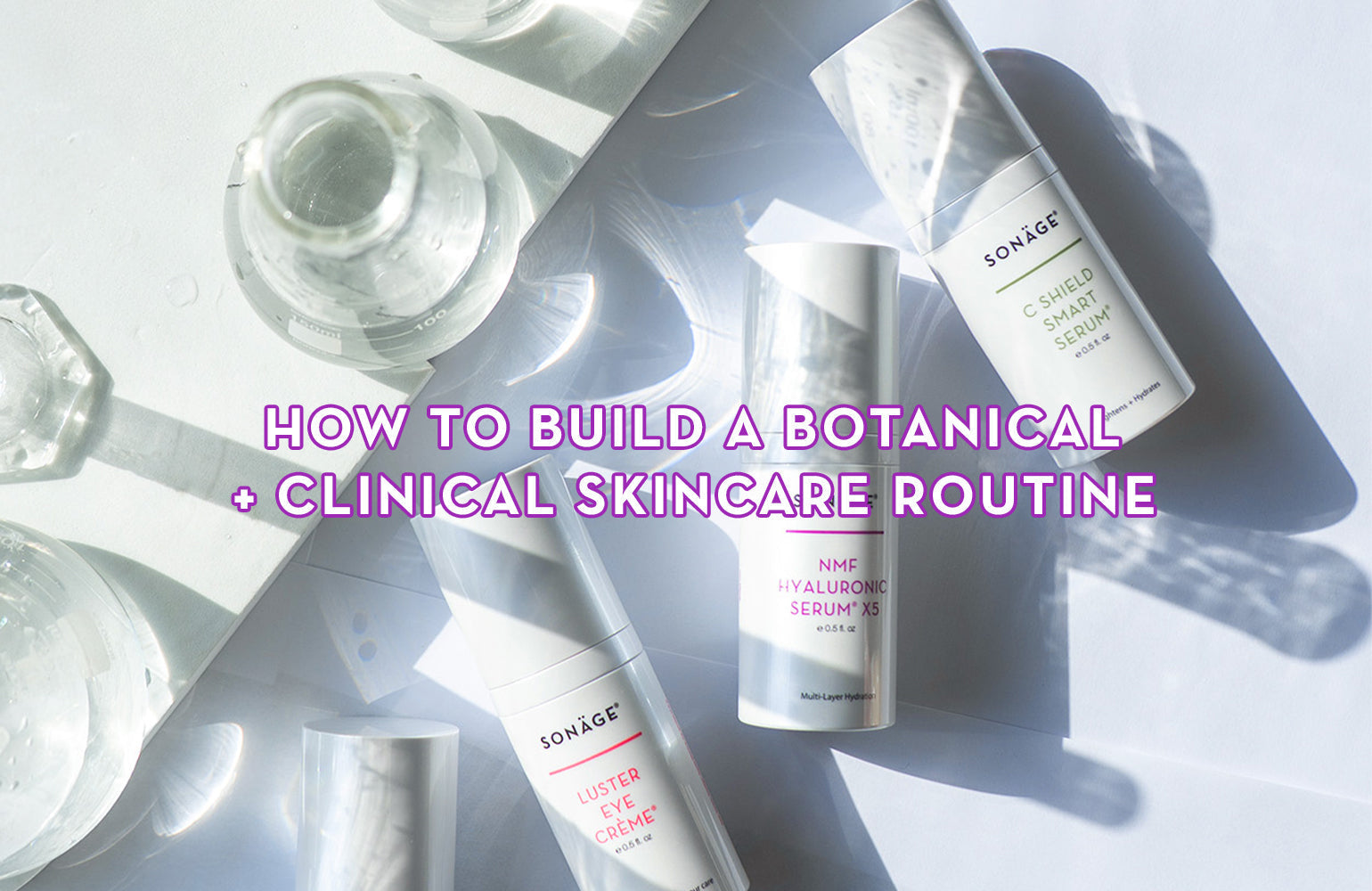
High Endurance Creme, Hydrating Cleanser, Protec Plus Mineral Sunscreen with SPF 30, Sonage Roux Tinted Day Cream with SPF 30
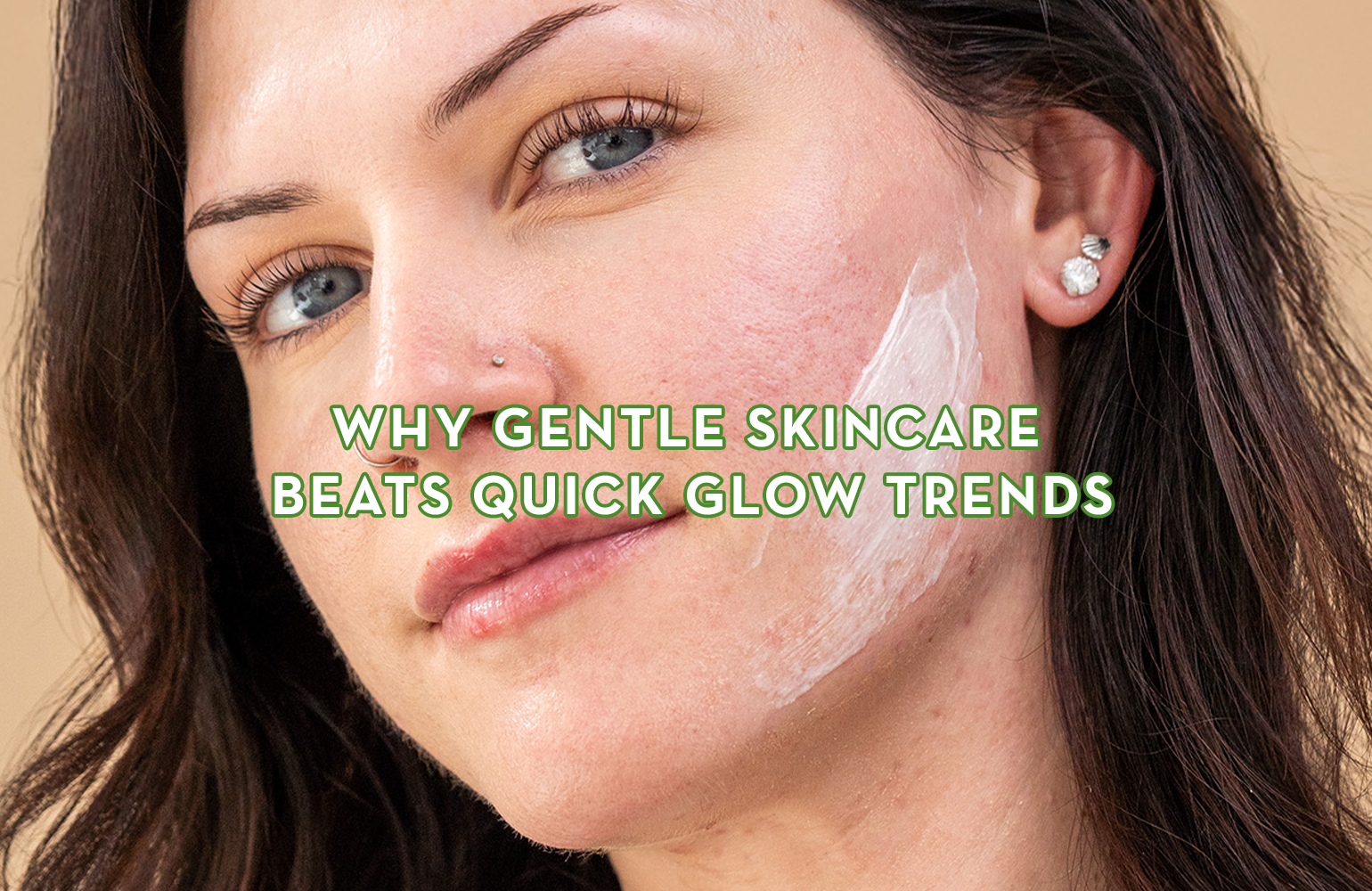
Skin Barrier & Microbiome Care in 2026: Why Gentle Skincare Beats Quick Glow Trends
Why 2026 Is About Building Strength, Not Chasing Quick Glows. Hey there, skincare friend! Remember those days when we'd slap on a bunch of strong acids, scrub like crazy, and follow 10-step routines promising overnight miracles? I sure do—I once turned my face into a red, flaky mess chasing that "glass skin" hype. But let's be real: as we roll into 2026, things are changing big time. The buzz isn't about speed anymore; it's about making your skin tough, balanced, and ready for whatever life throws at it—like the dusty pollution or those sudden spring humidity spikes.
Derms and experts are all in on this now: nurture your skin's natural barrier, keep its microbiome happy, and go gentle. Instead of bombarding your skin, we're supporting what it already knows how to do—protect itself, heal, and glow from within. This shift hits home especially if you're dealing with stress, weather flips, or just too many actives that leave you irritated. Whether you're new to this or nursing some sensitivity (guilty!), getting the lowdown on your skin barrier and microbiome is your ticket to skin that lasts.
In this chatty guide, we'll unpack:
-
What your skin barrier and microbiome actually do (spoiler: they're your superheroes)
-
Why gentle care is 2026's big vibe
-
How to pick products that protect your barrier and love your microbiome
-
Smarter ways to exfoliate with chill acids like PHAs
-
Real-talk answers to spring skincare headaches, especially for sensitive skin
Stick with me—I've got stories, tips, and no judgment if your routine's been a hot mess lately.
2026 Skincare Vibes: Strength Over Quick Fixes
The biggest "aha" from the past few years? Going too hard on your skin bites you back. Picture this: you grab that foaming cleanser that strips everything, exfoliate daily with gritty scrubs, and layer acids like there's no tomorrow. Next thing you know, bam—redness, breakouts, dryness, and products that used to feel fine now sting like crazy. Sound familiar? I've been there, blaming my "oily skin type" when really, I'd wrecked my barrier.
Enter 2026 trends, all about:
-
Repairing what you've stripped, not stripping more
-
Balancing things out, not over-fixing every "flaw"
-
Protecting daily, instead of endless exfoliation
Derms are preaching routines that team up with your skin, not fight it. Healthy skin isn't just pretty—it's got a solid defense against pollution, stress, and those wild seasonal swings (hello, spring's temperature rollercoaster). If you're in a place where air quality and humidity can flip your skin out, this gentle approach is a game-changer.
Your Skin Barrier: The Unsung Hero Keeping You Locked and Loaded
Okay, let's talk skin barrier—fancy term for the tough outer layer (think stratum corneum, but we'll skip the Latin). Imagine it as a brick wall around your house: the skin cells are bricks, and the lipids (stuff like ceramides, cholesterol, and fatty acids) are the mortar holding it tight. This setup locks in your moisture and blocks out bad guys like irritants, bacteria, and city smog.
What goes wrong when it's damaged?
-
That tight, dry feeling after washing
-
Red patches that won't quit
-
Super sensitivity to everything
-
Random breakouts or flare-ups
-
Burning from your fave serum that used to be fine
We often chalk it up to "that's just my skin," but nope—it's usually from over-cleansing, too much exfoliation, or harsh stuff. I learned this the hard way after a winter of retinoids and no moisturizer; my face screamed for mercy. In 2026, barrier care isn't extra—it's step one for any routine that actually works.
Barrier-Saving Moisturizers: Your Daily Hug for Dry, Stressed Skin
Moisturizers aren't just for quenching thirst anymore—they're repair crews. Last spring, when my skin felt like sandpaper from AC and pollen, switching to a ceramide-packed one was magic.
What makes a moisturizer a barrier boss?
-
Ceramides to refill those missing lipids
-
Fatty acids and cholesterol to rebuild the "wall"
-
Humectants like glycerin or hyaluronic acid to pull in water
-
Calmers like panthenol, allantoin, or oat extract to soothe
These don't just cover up dryness; they fix the root. Pro tips for using them:
-
Slap it on slightly damp skin (post-wash glow-up)
-
Twice a day, no skips—morning and night
-
Even if you're oily or acne-prone (trust me, it balances oil long-term)
A strong barrier means less oil overproduction, fewer breakouts. Game-changer!
Skin Microbiome: Your Tiny Skin Squad Fighting the Good Fight
Your skin's not a barren desert—it's buzzing with billions of good microbes, your microbiome. They're like an invisible security team:
-
Battling bad bacteria
-
Dialing down inflammation
-
Boosting your skin's immunity
-
Keeping everything chill and balanced
Happy microbiome = calmer, clearer, tougher skin. Disrupt it, though, and hello sensitivity, zits, eczema, or endless irritation. What wrecks the party? Harsh soaps, alcohol toners, antibacterial overload, too much scrubbing, plus stress and pollution.
My wake-up call? A phase of heavy salicylic acid that tanked my balance—constant tiny bumps everywhere. Microbiome-friendly picks support the good guys without nuking everything.
Spot these in products:
-
Gentle, low-pH cleansers that don't strip
-
Prebiotics to feed your helpful bacteria
-
Postbiotics for extra barrier strength
-
Little to no fragrance or alcohol
Perfect for sensitive, acne-prone, or beat-up skin. It's like giving your skin its own natural army—no harsh interventions needed.
Gentle Exfoliation in 2026: PHAs Are the New Gentle Giants
Exfoliation? Still yes—but smarter, kinder. Gone are the days of physical scrubs that feel like sandpaper (ouch, my poor cheeks post-2024 trend).
Why ditch the harsh stuff?
-
It thins your barrier
-
Ramps up sensitivity
-
Sparks inflammation
-
Makes dehydration worse
Derms now push gentle acids, especially PHAs (polyhydroxy acids). What's the hype? They're next-gen:
-
Bigger molecules, so they sink in slow and sweet
-
Way less irritating than AHAs or BHAs
-
Hydrating with antioxidant perks
PHAs slough dead cells without robbing moisture—ideal if your barrier's iffy or you're sensitive. Spring tips, since we're there:
-
1-2 times a week, max
-
No stacking with retinoids same night
-
Always chase with moisturizer
-
Sunscreen daily, rain or shine
In 2026, exfoliation renews without the drama. I use a PHA toner now, and my skin's smoother without the post-exfoliation freakout.
Chill Out Irritation: Calm Skin Is the Real Glow-Up
Irritation isn't a badge of "hardcore skincare"—it's your skin waving a white flag. Don't push through; support it. After overdoing actives one humid summer, my face puffed up—lesson learned.
Derm faves for calming:
-
Strip your routine to basics
-
No product-hopping
-
Patch test newbies
-
Hydrate and repair first
-
Pause exfoliation during bad days
Reach for panthenol, centella asiatica, oat extract, or low-dose niacinamide. Consistency wins over intensity—give it time, and you'll see that glow.
Your Dream Spring Routine for Sensitive Skin
Spring's a beast: temp swings, rising humidity, more sun. For sensitive skin, keep it simple and supportive. Here's mine, tweaked for variable weather:
Morning Magic:
-
Mild, low-pH cleanser (no stripping foam)

-
Hydrating serum if you want (centella or hyaluronic)

-
Barrier moisturizer


-
Broad-spectrum sunscreen (non-greasy for humid days)

Evening Wind-Down:
-
Same gentle cleanser
-
PHA exfoliant (1-2x/week only)

-
Repair moisturizer
Layer light, adjust slow. My skin loves this—no more reactive redness.
Do Acids Like AHA or PHA Irritate or Help in Spring?
Acids like AHAs and PHAs can both help improve your skin's texture and glow, but spring weather—think rising humidity, temperature swings, and stronger sun—often heightens sensitivity, making the wrong choice a recipe for irritation. AHAs (alpha hydroxy acids, like glycolic or lactic) are powerhouses for brightening and smoothing but can sensitize skin, especially in transitional seasons. PHAs (polyhydroxy acids, like gluconolactone or lactobionic) are gentler heroes that exfoliate without as much sting, thanks to their larger molecules and hydrating perks
Spring PHA picks for:
-
Reactive skin
-
Exfoliation newbies
-
Barrier recovery
Moderation + moisture = win. I swapped AHA for PHA in March last year—smoother skin, zero sting.
Fixing a Damaged Skin Barrier: Your Patience-Powered Plan
Your skin barrier is that protective outer layer—like a fortress wall made of skin cells (bricks) held by lipids (mortar: ceramides, fatty acids, cholesterol). When damaged (from over-exfoliating, harsh products, or pollution), it lets in irritants and loses moisture, causing dryness, redness, breakouts, and sensitivity. Repairing it rebuilds this defense, leading to calmer, stronger skin. It's not instant, but patience pays off—many see changes in 2-4 weeks, as I did after wrecking mine with too many actives.
The Patience-Powered Repair Plan: Step by Step
This plan strips things back to basics, giving your skin a break to heal naturally. Aim for 2-4 weeks minimum; consistency is key. No fancy serums—just repair essentials. Here's the breakdown:
Ditch the Harsh Culprits Immediately
Stop anything that strips or irritates: strong acids (like high % AHAs/BHAs), physical scrubs, alcohol-based toners, or foaming cleansers. Why? They worsen the damage by thinning the barrier further.
I once ignored this and kept using my retinoid—my face got worse before better. Pro tip: Toss or pause them; your skin will thank you.
Cleanse Gently, 1-2 Times a Day Max
Switch to a mild, low-pH (around 5-6) cleanser—creamy or gel, no sulfates. Wash once at night (or morning if sweaty), using lukewarm water. Pat dry, don't rub. A gentle cleanser like Sonage Hydrating Cleanser keeps things balanced without tightness.
Moisturize Religiously, AM and PM—with Ceramides
Layer a barrier-focused moisturizer on slightly damp skin (traps water inside). Look for ceramides, cholesterol, fatty acids, plus humectants (glycerin, hyaluronic acid) and soothers (panthenol).
Real results: This rebuilds the "mortar." Even oily skin needs it—regulates sebum over time. I used one twice daily; dryness vanished by week 2.

Sunscreen Every Morning to Protect
Apply broad-spectrum SPF 30+ (mineral like zinc oxide is gentlest for damaged skin). Reapply if outdoors. UV rays slow repair by breaking down lipids. Crucial on sunny spring days—blocks pollution too. Lightweight formulas prevent greasiness.
Keep the Routine Dead Simple for 2-4 Weeks
That's it: Cleanse → Moisturize → SPF (day). No extras like retinoids or acids until healed. Track progress with photos. If irritation persists past 4 weeks, see a derm.
Timeline example: Week 1: Less stinging. Week 2: Hydration returns. Week 3: Even tone, fewer breakouts—like my post-reaction recovery.
What to Expect and Common Pitfalls
Progress signs: Softer texture, no tightness, products stop burning. Full strength takes 4-6 weeks.
Avoid: Product switching, makeup overload, hot showers. Stress or pollution? Double down on moisture.
Product recomendations: Sonage High Endurance Creme, Sonage Sonage Hydrating Cleanser, Sonage Protec Plus Mineral Sunscreen with SPF 30, Sonage Roux Tinted Day Cream with SPF 30