
AT A GLANCE
-
WHAT IT IS
An educational guide explaining what mineral (physical) sunscreen is and why it’s essential to wear daily year-round -
WHAT IT DOES
Breaks down how mineral SPF protects skin from year-round UV damage, supports a compromised winter skin barrier, and helps you choose and apply the right formula for cold, dry conditions. -
HERO PRODUCTS
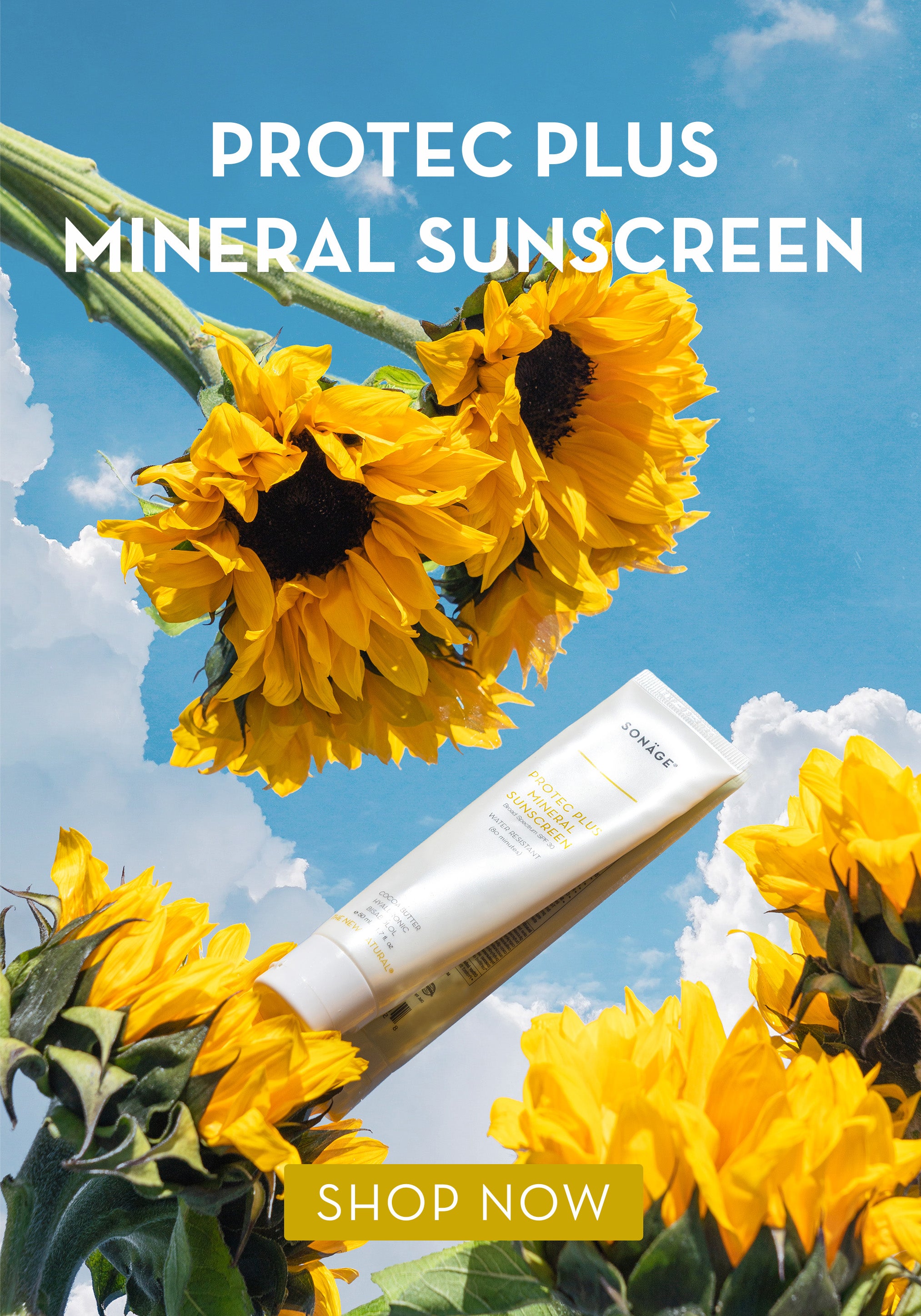
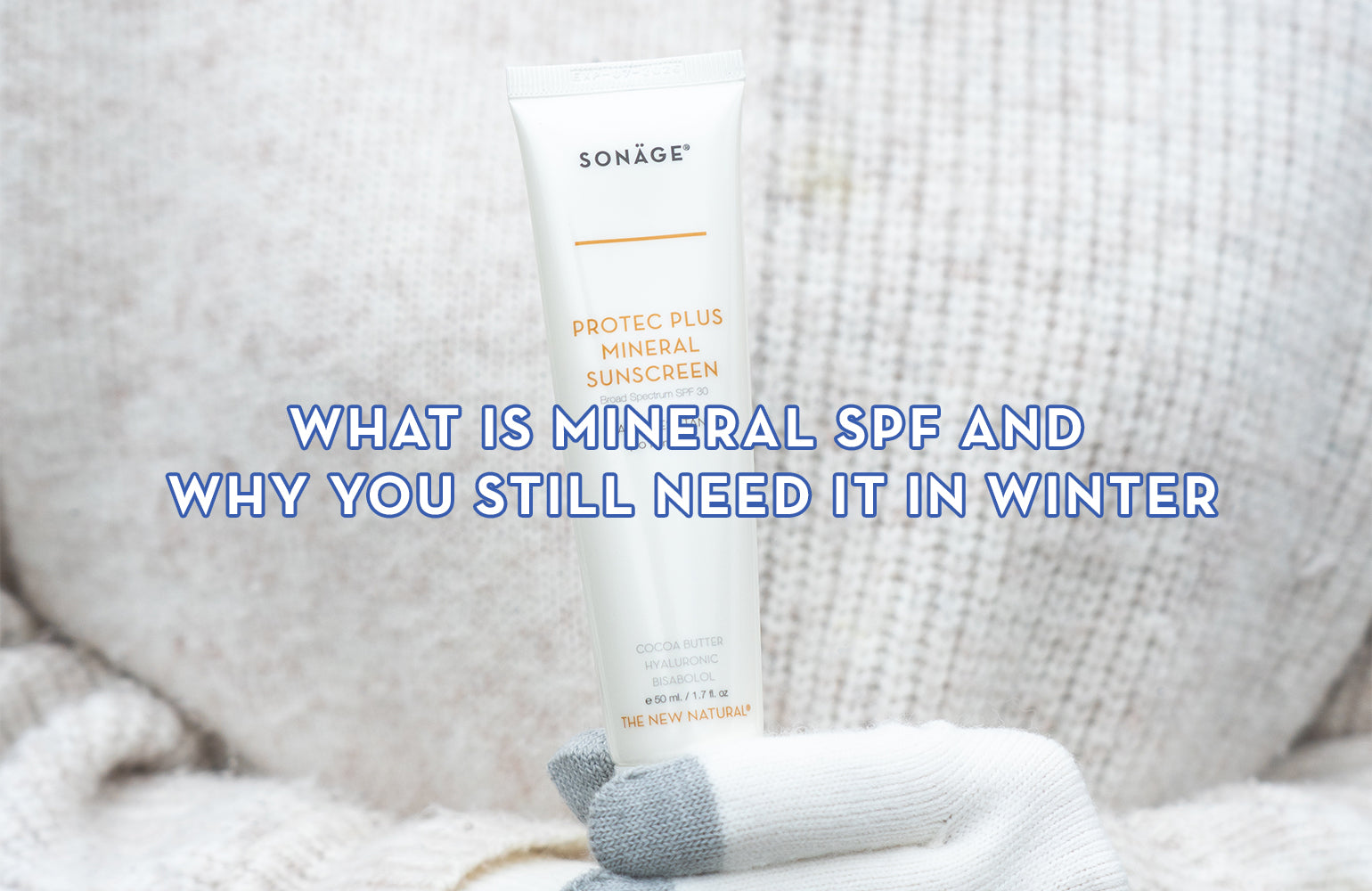
Protec Plus Mineral Sunscreen SPF 30
What Is Mineral SPF and Why You Still Need It in Winter
The sun's peeking through gray clouds, and you're rushing out for your commute or a quick dog walk. Do you slap on sunscreen? If you're like most folks I know, probably not. Winter just doesn't feel like SPF season. But here's the truth bomb. You absolutely need it, even when it's cold enough to see your breath. UV rays don't clock out for winter; they sneak through clouds, bounce off snow, and age your skin faster than you'd think. I've skipped it before on "harmless" cloudy days, only to spot new fine lines later—lesson learned!
That's where mineral SPF shines. It's gentle, works instantly, and feels like a cozy shield for your skin in dry, windy weather. Let's chat about what it is, why it's a game-changer (especially now), and how to make it your easy daily habit.
Busting the Winter Sunscreen Myth
I used to think sunscreen was just for beach days. Wrong! UVA rays (the sneaky ones that cause wrinkles & dark spots) are strong year-round—they zip through clouds, windows, and even indoor lights while you're working from home. UVB rays (hello, sunburn) dip a bit in winter, but snow? It bounces back up to 80% of UV rays, doubling your exposure. Imagine skiing or just shoveling the driveway—your face, lips & hands take the hit.
Winter also dries out your skin barrier with cold winds and heaters blasting inside. Dry, cranky skin is way more vulnerable, so layering on SPF keeps it protected and hydrated. Dermatologists swear by broad-spectrum SPF 30+ daily—no matter the season—to fend off aging, pigmentation & even skin cancer risks. Trust me, it's the simplest hack for glowy skin all year.
What Exactly Is Mineral SPF?
Mineral SPF—aka physical sunscreen—is like a natural force field made from zinc oxide and titanium dioxide. These minerals sit on your skin's surface, bouncing UV rays away like tiny mirrors, instead of soaking them up as chemical sunscreens do. 15-20 minute wait time; it kicks in right away.
Zinc oxide is the MVP—blocks both UVA (aging rays) and UVB (burn rays) super effectively, and it's gentle enough for sensitive skin, babies, or post-laser recovery. Titanium dioxide tags along for lightweight UVB defense and blends easier without that old-school white cast (modern formulas are tinted or micronized for a seamless vibe).
Why Mineral SPF Beats Chemical in Winter

Mineral SPF outperforms chemical SPF in winter due to its gentle, immediate action and compatibility with seasonally dry, sensitive skin. Unlike chemical formulas that absorb UV rays and convert them to heat—which can sting on wind-chapped faces—mineral sunscreens use zinc oxide and titanium dioxide to form a physical barrier, reflecting rays away instantly upon application.
Gentler on Winter's Toll
Cold air, low humidity, and indoor heating strip your skin's moisture barrier, leaving it flaky and reactive. Mineral SPF sits atop the skin rather than sinking in, avoiding irritation common with chemical actives like oxybenzone or avobenzone. Dermatologists often recommend it for eczema, rosacea, or post-procedure skin, which flare up more in winter. Chemical options might feel lighter but risk redness or breakouts when your barrier's compromised.
Stability in Harsh Conditions
Winter temps (and storage in chilly cars) don't degrade mineral filters like they can destabilize some chemical ones. Zinc oxide offers broad-spectrum UVA/UVB coverage that's reliable year-round, while titanium dioxide excels at UVB blocking—crucial when snow reflects up to 80% of rays at you during skiing trips or snowy walks.
Moisturizing Edge
Many mineral SPFs incorporate richer textures with hydrators like ceramides or hyaluronic acid, doubling as a barrier-repairing moisturizer. Chemical sunscreens, often thinner gels, can dry out further or pill under makeup—frustrating for daily winter routines.
Gentler on Dry, Irritated Winter Skin
Cold weather strips your skin's natural oils, weakening its barrier and making it super sensitive. Chemical sunscreens absorb UV rays, turning them into heat that your already-dry skin has to handle—hello, stinging eyes or breakouts! Mineral ones (zinc oxide and titanium dioxide) sit on top, bouncing rays away without penetrating or irritating. Dermatologists love them for rosacea, eczema, or post-winter peelings; they're hypoallergenic, fragrance-free often, and a go-to for babies or sensitive types. No more winter "allergy" reactions from harsh chemicals like oxybenzone.
You're commuting on a foggy morning, face chapped from pollution. Mineral SPF nourishes with added ceramides or hyaluronic acid, locking in moisture while protecting—chemical SPF rarely doubles as a hydrator.
Instant Protection
Chemical sunscreens need 15-20 minutes to absorb and activate, risky if you're dashing out the door. Mineral SPF kicks in the second you pat it on, perfect for quick winter walks or sudden sun peeks through clouds. UVA rays (aging culprits) don't care about the cold—they sneak through windows all day. With mineral's physical barrier, you're shielded immediately, no heat buildup to dry you further.
Thrives in Cold, Stable and Moisturizing
Winter temps can destabilize chemical formulas, reducing efficacy; minerals stay rock-solid. Many mineral SPFs are creamier, packed with shea butter or glycerin, combating low humidity—your skin feels plump, not ashy. Chemicals often feel thin and alcohol-y, worsening dehydration. Plus, snow reflects 80-90% UV, doubling exposure on ski trips or rooftops—mineral's broad-spectrum blocks it all without melting off.
Eco and Skin-Friendly Long-Term Wins
Reef-safe minerals avoid coral-harming chemicals, great if you're eco-conscious. Less comedogenic too—no clogged pores amid winter oil imbalances. For acne-prone or oily skin, lightweight mineral gels mattify without greasiness. Studies show minerals cause fewer allergies overall, ideal for year-round use but a winter lifesaver.
Difference Between Mineral SPF and Chemical SPF
Mineral SPF (also called physical sunscreen) uses minerals like zinc oxide and titanium dioxide to create a barrier on the skin's surface that reflects UV rays away. Chemical SPF employs organic compounds such as avobenzone, oxybenzone, or octinoxate that absorb UV rays, convert them to heat, and release it from the skin.
Key Differences
Mineral SPF works immediately upon application by physically blocking rays, while chemical SPF requires 15-30 minutes to absorb and activate. Mineral formulas often feel thicker and may leave a white cast, whereas chemical ones are lighter, sheerer, and blend invisibly.
Myths I Used to Believe (And Why They're Wrong)
Myth: Mineral SPF isn't as good. Nope—applied right, it's a broad-spectrum powerhouse.
Myth: It leaves a chalky white cast. Not anymore; new versions melt in like makeup primer.
Myth: No need on cloudy/cold days. UV ignores the weather—80% sneaks through clouds!
Myth: Dark skin skips SPF. Everyone risks pigmentation and aging; melanin helps, but doesn't block it all.
Picking and Using Your Winter Mineral SPF
Winter in places like Los Angeles means dry air from pollution, heaters, and sudden cold snaps—your skin begs for SPF that's protective and pampering. Let's dive deep into choosing the right mineral one (think zinc oxide stars) and nailing your routine, so it feels effortless, not extra.
Key Factors for Choosing the Perfect One
Start with the label basics—UV protection doesn't change with seasons, but winter amps up the need for smart picks.
Broad-Spectrum Must-Have: UVA (deep-aging rays that slip through clouds/windows) + UVB (burn causers). Without "broad-spectrum," you're half-protected.
SPF Level Breakdown:
SPF 30: Blocks ~97% UVB—solid for daily commutes or walks.
SPF 50+: Extra buffer for snow reflection (up to 80% UV bounce-back), mountains, or long outdoor time. Higher isn't "double" protection, but forgives light application.
Texture by Skin Type: Winter dryness rules, so prioritize hydration without greasiness.
Dry/Flaky Skin: Thick creams or lotions with hyaluronic acid, ceramides, glycerin, or shea butter. They repair your barrier while shielding.
Oily/Acne-Prone: Gel-creams, fluids, or mattifying formulas marked "non-comedogenic." Avoid heavy oils.
Sensitive/Rosacea/Eczema: 100% mineral (zinc-heavy), fragrance-free, hypoallergenic. No sting on wind-chapped cheeks.
Combo or Normal: Hybrid lotion-gel with niacinamide for calm and glow.
Bonus Checks:
1. Water/sweat-resistant if you're active outdoors.
2. Tinted for white-cast hate—blends like foundation.
3. Reef-safe (no oxybenzone) if you're eco-minded or beach-bound later.
4. Multi-taskers: SPF-moisturizer hybrids save steps.
5. Imagine testing at the store: Dab on your hand—does it pill, feel sticky, or sink in smooth after 5 mins?

Step-by-Step Daily Winter Routine
Layering right prevents that cakey feel. Aim for 15-20 mins before heading out (even if mineral works instantly—gives settling time).
1. Gentle Cleanse:
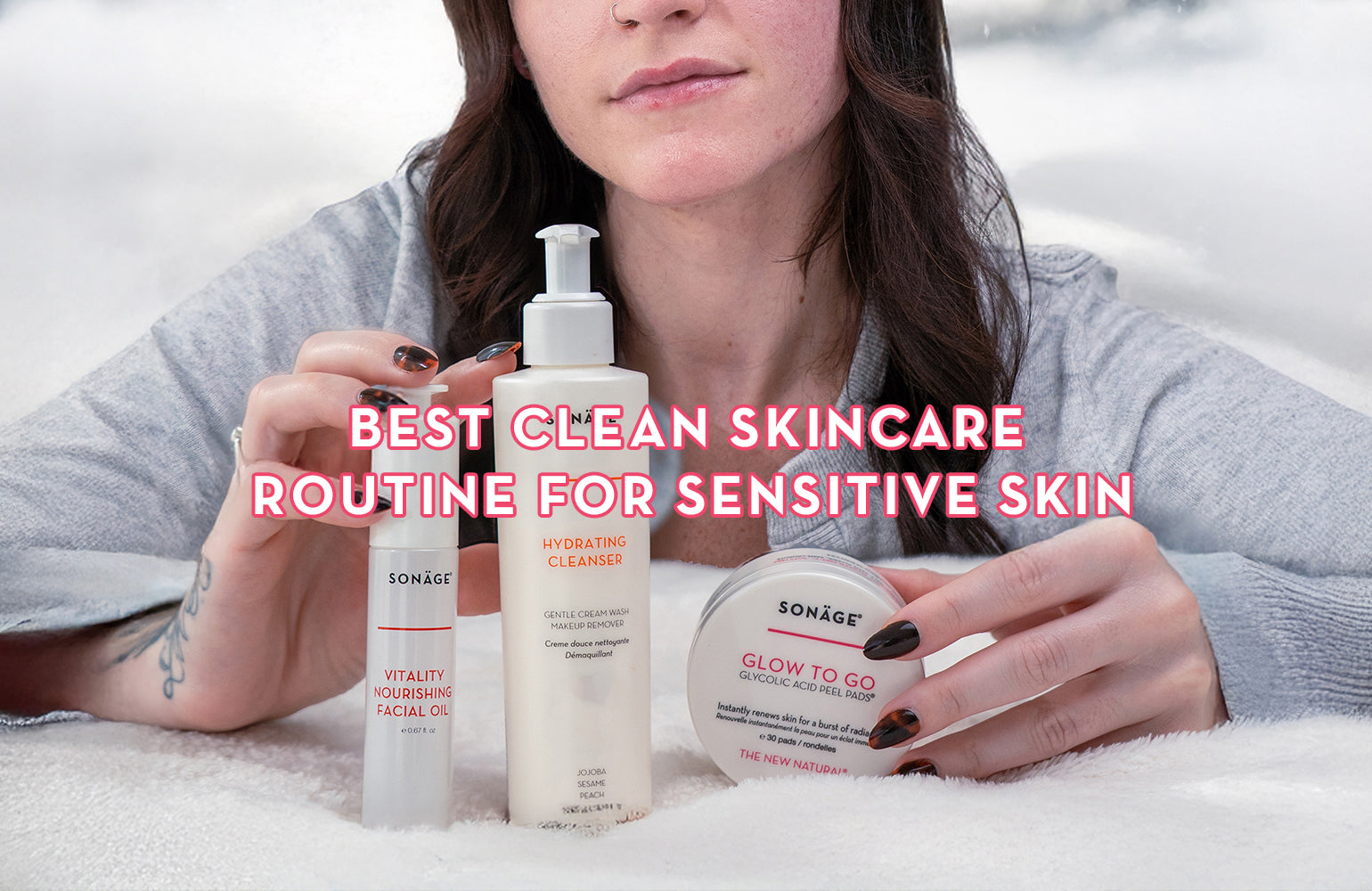
Use a creamy, non-foaming one to keep natural oils. Skip harsh soaps that strip.
2. Hydrate First (If Needed):
Serum or moisturizer for your skin type. Wait 1-2 mins to absorb.
3 .SPF as Last Step:
Two finger-lengths (1 tsp) for face/neck/ears. Pat, don't rub—minerals spread better. Extend to hands!
4.Makeup/Extras:
Foundation or powder over top is fine; reapply SPF midday.
5. Reapply Smartly:
Every 2 hours outdoors, post-sweat, towel-dry, or lunch wipe. Keep a mini in your bag.
6. Indoors Hack:
Desk by window? SPF in the AM still—UVA penetrates glass.
7. Weekly Boost:
Exfoliate lightly 1-2x per week (enzymes, not scrubs) so SPF adheres better on smooth skin.
Best Practices and Pro Tips
Amount Matters: Too little halves protection. Practice on your palm—eyeball a nickel-sized dollop.

Storage Smarts: Room temp (not car dashboard or freezer)—heat/cold weakens it.
Pair with Armor: SPF + hat, sunnies, scarf, gloves. Lips? SPF balm every hour outdoors.
Patch Test New Ones: Dab inner arm 2-3 days—winter skin's picky.
Travel/Sports Tweaks:
- Mountains: SPF 50+ water-resistant; reapply often (altitude = 4-10% more UV per 1,000m).
- Snow Sports: Stick version for no-melt ease; under eyes/nose.
- Flights: Dry cabin air + window seat = UVA fest; SPF pre-board.
I've switched to a zinc-based tinted one for Delhi winters—it hydrates like mad and no pollution-induced breakouts.
Quick FAQ from Real-Life Questions
Cloudy winter day? Yes—up to 80% of UV sneaks through clouds.
Dark skin needs it? Absolutely; fights pigmentation and aging for all tones.
Indoors all day? If near windows, yes—UV sneaks in.
Can it double as a moisturizer? Many do, but layer if your skin's extra dry.
Your Year-Round Glow-Up:
Yes, wear sunscreen in winter, it's non-negotiable for healthy, even-toned skin that does not age overnight. Mineral SPF makes it effortless and skin-loving. Make it a habit like brushing your teeth, and thank me when your glow lasts through spring. Your skin doesn't take winters off, don't let it!