
AT A GLANCE
-
WHAT IT IS
A beginner-friendly guide to recognizing and correcting over-treated skin by simplifying your routine and focusing on balance over excess. -
WHAT IT DOES
Explains the signs of overusing skincare products and active ingredients, and provides a step-by-step approach to resetting, simplifying, and rebuilding a routine that supports healthier, more resilient skin. -
HERO PRODUCTS
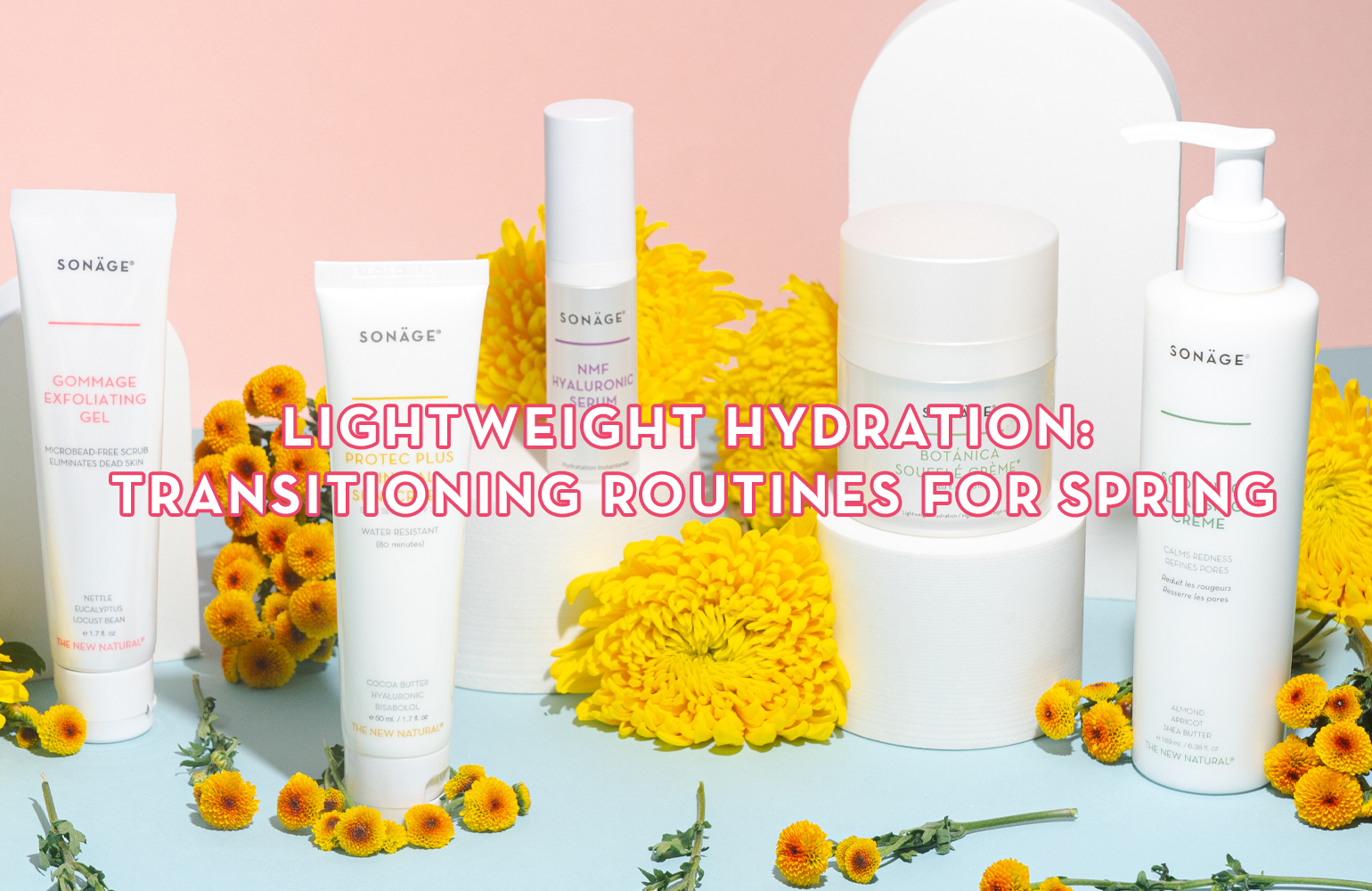
Botanica Soufflé Créme Glow to Go Glycolic Acid Peel Pads
Are You Over-Treating Your Skin?
A Beginner-Friendly Guide to Doing Less (and Getting More From Your Routine)
There’s a moment many people experience on their skincare journey: you start with a simple routine, see some changes, then slowly add more—serums, exfoliants, masks, tools—until your shelf is full and your routine feels like a full-time job. And yet… your skin doesn’t feel better. In fact, it might feel worse.If that sounds familiar, you might be over-treating your skin. This isn’t about doing skincare “wrong.” It’s actually the opposite—most people who over-treat are trying really hard to care for their skin. But somewhere along the way, more steps started replacing smarter steps.Let’s break down what over-treating looks like, why it happens, and how to find a routine that feels balanced, effective, and sustainable.
Why It Happens
Your skin's barrier (that protective layer) can only handle so much at once. Over-treating sneaks up through:
- Layering too many "actives" like acids, retinoids, or vitamin C in one go—they irritate instead of improve.
- Exfoliating daily (your skin needs recovery time!).
- Chasing trends or "fixing" non-issues, like using acne treatments when you barely break out.
"Why Is My Skin Worse?” Moment
Most of us don’t start with a 10-step routine. You probably began with a face wash, maybe a moisturizer, then added a serum, an exfoliant, a mask… and suddenly your nighttime routine takes longer than your dinner.
And yet, your skin feels:
- Tight or stingy
- Randomly breaking out
- Dull, even though you’re doing “all the things”
That doesn’t mean you’re bad at skincare or doing it “wrong.” It usually means you care a lot, but somewhere along the way, more started replacing what actually makes sense for your skin. Let’s walk through what over-treating really looks like and how to gently bring your skin (and your brain) back to calm.
What “Over-Treating” Your Skin Really Means
Over-treating is simply: too many products, too many active ingredients, or using them too often for your skin to comfortably handle.
It can look like:
- Using more than one exfoliating product in the same routine
- Layering several actives together (like acids, retinoids, vitamin C)
- Switching products every few days
- Doing long, complicated routines daily
Treating “issues” your skin doesn’t actually have (using a pore serum when pores are normal, a strong acne treatment when you don’t break out much, etc.) In short: your routine becomes about doing more, not about listening to what your skin actually needs.
Why It’s So Easy to Overdo It
Think of how often you see “holy grail” products or “glass skin” routines online. It’s no wonder we feel like we should be doing more.
Some common traps:
1.Skincare trends move too fast
There’s always a new “must-have” serum or routine. It’s easy to feel left out if you’re not trying the latest thing.
2.“More steps = better results” mindset
A 10-step routine can feel productive, but your skin doesn’t measure effort in steps. It responds to what it can handle consistently.
3.Trying to fix everything at once
Texture, dark spots, acne, dullness—you want it all gone, fast. So you start stacking treatments, and your skin waves a little white flag.
4.Hidden product overlap
One product has an acid, another has a retinoid, another has vitamin C…and suddenly you’re using three brightening or exfoliating products without realizing they’re doing similar jobs.
Signs Your Skin Is Overwhelmed
Your skin rarely shouts; it whispers first. Some whispers to watch for:
1.Your skin feels tight or uncomfortable
Not just right after cleansing, but randomly during the day—like your face is one size too small.
2.Products suddenly sting or tingle
A moisturizer or serum that used to feel fine now burns or feels “spicy” on application.
3.Your skin looks dull despite the routine
You’re exfoliating, masking, and treating, but your skin still looks tired, flat, or uneven.
4.Breakouts feel more frequent or random
You’re doing “more for acne,” but pimples are popping up in places or patterns that feel new.
5.Your routine feels exhausting
You sigh when it’s time to do your skincare. It feels like a chore, not a small act of self-care. If you’re nodding along to a few of these, your skin may be quietly asking you to slow down.
When Good Ingredients Become “Too Much”
The issue often isn’t that an ingredient is “bad”—it’s that too much, too often, or all at once becomes overwhelming.
Here’s how that can play out:
Exfoliating acids (AHA/BHA, toners, peels)
Great for glow and texture, but daily or layered acids can leave your skin feeling raw, tight, or shiny-but-not-oily.
Retinoids
Amazing for smoother-looking skin and long-term benefits, but they’re meant to be eased in slowly. Jumping to a strong one every night can cause flaking, redness, and irritation.
Vitamin C
Brightening and protective, but pairing a strong vitamin C with other actives (like exfoliating acids or retinoids) in the same routine can be too stimulating for some skin types.
Clay masks and scrubs
Nice for that “clean” feeling, but overuse can strip your skin’s natural oils, leading to dryness, irritation, or more oil production as your skin tries to compensate.
You don’t need to avoid these completely. The real magic is in how often you use them and how many you combine at once.
Why Your Skin Needs “Rest Days”
Your skin needs "rest days" just like your body craves recovery after a tough workout—it's all about giving it breathing room to repair and recharge. Think back to that time you pushed too hard at the gym and woke up sore everywhere. Your skin does the same when bombarded with actives like retinoids, acids, or exfoliants day after day; its protective barrier gets worn down, leading to tightness, redness, or breakouts.
Why Rest Days Work
Active ingredients are powerful—they speed up cell turnover and fight issues like dullness or fine lines—but they also stress the skin's natural defenses. Skipping them 1-2 nights a week lets:
- The barrier rebuild with ceramides and natural oils.
- Inflammation calm down, so future treatments absorb better.
- Your skin regulate itself, producing more sebum for balance (no extra oil overload from compensation).
Derms call this "skin cycling" or barrier recovery: exfoliate one night, retinoid the next, then recover with gentle hydration twice.
How to Do Rest Days Right
Keep it dead simple—no "doing nothing," just basics:
- Gentle cleanser (nothing stripping).
- Rich moisturizer with hyaluronic acid or niacinamide.
- Skip actives, masks, tools—sunscreen only if daytime.
The Myth of the Perfect Routine
It’s tempting to believe there’s a single “perfect” routine out there—you just haven’t found it yet.
Reality check:
- Skin is personal. What glows on one face might be too harsh or too little for another.
-
Life changes. Hormones, stress, climate, age—all affect what your skin likes at any given time.
Instead of chasing perfection, try aiming for Consistency over complexity – A simple routine you actually stick to beats a 12-step plan you abandon. Noticing patterns– “My skin gets tight when I exfoliate more than twice a week” is gold information. Making slow, small tweaks– One change at a time is easier to track and kinder to your skin.
Is Your Routine Too Complicated? Quick Check
Yes, if your skincare routine leaves you confused or stressed more than supported, it's likely too complicated—here's a quick self-check to confirm. Routines balloon easily with trends, but overload sneaks up fast, stressing your skin's barrier and your schedule.
The Quick Check Questions
Ask yourself these straight-up:
Do I know exactly what each product does? If half your shelf feels like a mystery, it's clutter.
Am I doubling up on the same job? Like three "brightening" serums or acids—pick one hero per goal.
Do I have to use everything daily? Feeling pressured to layer it all (or skip entirely) screams overload.
Do I swap products too soon? Ditching after a week without results? Skin needs 4-6 weeks to adjust.
How to Gently Simplify Your Routine
Simplifying isn’t “giving up on skincare.” It’s choosing to be intentional instead of overwhelmed.

Step 1: Go back to basics
For a short period (think a couple of weeks), stick to:
- Cleanser
- Moisturizer
- Sunscreen in the morning
This gives you a clean baseline to understand how your skin behaves without all the extras.
Step 2: Add one product at a time
When you’re ready to layer in more:
- Introduce just one targeted product (like a vitamin C or a retinoid).
- Use it a few times a week, then slowly adjust as your skin allows.
This way you can clearly see:
- What the product is actually doing
- Whether your skin likes it—or not
Step 3: Space out your actives
Instead of layering everything in one go:
- Use exfoliating acids on certain days only
- Use retinoids or other strong actives on different nights
Example:
- Monday: Exfoliation
- Wednesday: Retinoid
- Friday: Hydrating, non-active routine
Step 4: Watch the frequency, not just the formula
Sometimes the problem isn’t what you’re using—it’s how often. Cutting an acid toner from daily to twice a week, or using a retinoid every other night instead of nightly, can make a huge difference in comfort.
Why Consistency Beats Intensity
Think of skincare as brushing your teeth, not whitening strips. A calm, steady routine tends to give you better skin over time than a constantly changing, intense one. When you stop sprinting from one “fix” to another, it becomes much easier to see what actually works. Small, consistent habits almost always beat aggressive bursts of effort.
Common Over-Treating Scenarios (With Simple Fixes)
Scenario 1: The “Everything, Everywhere, All at Once” Routine
You’re layering multiple serums, acids, and treatments in a single routine.
Try this instead:
Choose one main focus per routine.For example, “Tonight is hydration-focused,” or “Tonight is my exfoliation night.”
Scenario 2: The Daily Exfoliator
You exfoliate every day because your skin feels smoother right after.
Try this instead:
Use exfoliants less often (e.g., 1–3 times a week) and see if your skin actually looks calmer, clearer, and less reactive.
Scenario 3: The Serial Product Switcher
If a product doesn’t show results in a few days, you move on.
Try this instead:
Give most products a few weeks (unless they’re clearly irritating you). Skin changes slowly, especially with gentle care.
Scenario 4: Treating Problems That Aren’t There
You use anti-acne, anti-aging, anti-dark-spot, anti-everything “just in case.”
Try this instead:
Look at what your skin is actually doing right now. Treat current needs, not hypothetical ones.
How Social Media Fuels Over-Treating
Those flawless GRWM routines on your feed?
- Are often built for content, not day-to-day practicality.
- May use products the creator’s skin has slowly adjusted to over time.
- Don’t show the weeks when their barrier was angry and peeling.
It’s completely fine to feel inspired by routines you see online. Just run them through your own filter:
- Does my skin actually need this?
- Can I commit to this consistently?
- Can I introduce this slowly instead of all at once?
Listening to Your Skin (Without Obsessing)
Listening to your skin means tuning into its real signals—like tightness, glow, or random irritation—instead of second-guessing every mirror check or trend. It's easy to obsess: snapping selfies hourly, tweaking products daily, or panicking over one pimple. But skin changes slowly (think weeks, not hours), so constant scrutiny just stresses you out more.
How to Listen Without the Overthink
- Track weekly patterns, not daily drama: "My skin calms after skipping acids twice a week."
- Test simplifies: Drop one product for 7-10 days and note what improves (less redness? more even tone?).
- Trust the feel over the feed: If your face feels comfy and plump, that's winning—ignore the "glass skin" hype if it doesn't fit you.
This keeps skincare joyful and effective, like checking in with a friend rather than interrogating them. Your skin will guide you if you give it space to speak clearly.
Why a Minimal Routine Can Feel So Good
A minimal skincare routine feels good because it strips away the overwhelm, letting both your skin and mind breathe easier while delivering steadier results. You know that post-routine sigh of relief when you're done in under 5 minutes, no decisions required? That's the magic—less clutter means more calm.
Why It Hits Different
Quick and consistent: No 10-step debate at midnight; just cleanser-moisturizer-sunscreen flows effortlessly, building habits you actually stick to.
Cuts decision fatigue: Fewer bottles staring you down means less "Is this the right order?" stress, freeing mental space for real life.
Clearer skin feedback: With basics only, you spot what works (that moisturizer plumps perfectly) versus irritants, like a direct line to what your skin craves.
Sustainable glow: It supports your barrier naturally, dodging the burnout from over-actives, so your face feels balanced, not battle-worn.
When It Might Be Time to Adjust Your Routine
It's time to tweak your skincare routine when it's no longer serving you—either your skin or your sanity—instead of feeling like a supportive habit. That nagging sense that "something's off" is your cue to re-assess before small issues snowball.
Key Signs to Watch For
Routine creep: Your lineup keeps expanding (now 8 steps? 12?), turning self-care into a chore that eats your evenings.
Confusion overload: You're unsure what's actually helping—did that serum fix texture, or was it the moisturizer? Guessing games mean it's too muddled.
Inconsistent skin vibes: Tight one day, oily the next, random redness—your skin feels unpredictable despite the effort, signaling barrier stress or overload.
Trend tailing: You're swapping products to chase TikTok "must-haves" (niacinamide overload, anyone?) rather than what your own skin tells you works.
What a Balanced Routine Can Look Like
A balanced skincare routine keeps things simple, effective, and doable—focusing on your skin's core needs without overwhelming it. It's not about 10 products or viral trends; it's the essentials done consistently, with room for occasional extras tailored to you.
Cleansing: A gentle, non-stripping wash morning and night to refresh without drying out your skin's natural oils.
Hydration: A lightweight or richer moisturizer (with hyaluronic acid or ceramides) to lock in moisture and support the barrier all day.
Protection: Broad-spectrum SPF 30+ every morning—your non-negotiable shield against sun damage, even indoors.
Targeted care (2-3x/week): One active at a time, like a mild retinoid for smoothness or gentle exfoliant for glow, alternated with rest nights.
The Emotional Side No One Talks About Enough
Skincare is not just about skin—it’s about how you feel in your own skin.
If your routine feels:
- Stressful
- Time-consuming
- Confusing or guilt-inducing (“I skipped steps, I messed up”)
…it might be time to simplify for your mental health as much as your skin health. A routine that feels calm, doable, and nourishing is far more likely to become a long-term habit.
The "Reset" if You’re Not Sure Where to Start
If you’re reading this and thinking, "My routine is a mess, I don’t even know what’s helping anymore," try a gentle reset:
- Pause the complicated routines for a bit
- Use only the basics (cleanser, moisturizer, sunscreen)
-
After a short reset period, slowly reintroduce one extra product at a time
As you do this, notice:
- When your skin feels calmer
- Which product seems to cause irritation or breakouts
- What actually makes your skin feel comfortable and supported

From there, you can rebuild a routine that works with your skin, not against it.


%0AThere%E2%80%99s%20a%20moment%20many%20people%20experience%20on%20their%20skincare%20journey:%20you%20start%20with%20a%20simple%20routine,%20see%20some%20changes,%20th...)